Upcoming Webinars
There are no results found.
Why We Can’t Sleep: Insomnia, Anxiety, & the Call to Rest Well with Dr. Benjamin Long
 Rita Mercer
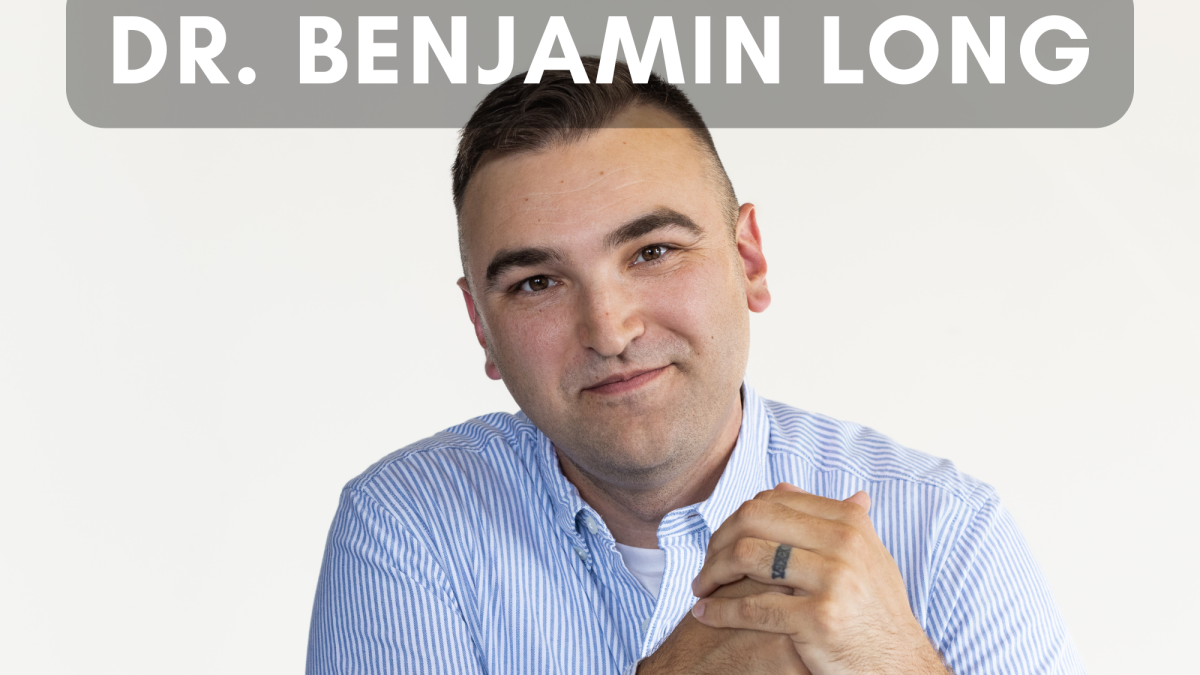
A faith-informed look at insomnia, anxiety, and how to restore rest by calming the nervous system.
Integrating Science, Spirituality, and Healthy Sleep Habits with Dr. Benjamin Long
Sleep is one of the most essential—and most misunderstood—pillars of our well-being. For many people, bedtime is not a place of rest but a battleground of racing thoughts, anxiety, exhaustion, and frustration. On The Daring Well Podcast, I had the honor of sitting down with Dr. Benjamin Long, a sleep medicine physician and seminary student, to explore the powerful intersection of sleep science, faith, and spiritual formation.
Dr. Long brings a rare and compassionate perspective to the conversation about insomnia. He is both a clinician who understands the biology of sleep and a faith-centered guide who recognizes that rest is not just physical—it is deeply spiritual. In our conversation, we explored why so many people struggle with sleep, how modern habits sabotage rest, and how faith-based practices can gently restore our nervous systems and our souls.
This blog post expands on that conversation, offering insight, encouragement, and practical tools for anyone longing to experience deeper rest—body, mind, and spirit.
Dr. Benjamin Long’s Journey: Where Medicine and Faith Meet
Dr. Benjamin Long’s approach to sleep medicine is deeply rooted in both his upbringing and his calling. Raised as a preacher’s kid in the Southern Baptist tradition and inspired by his grandfather, a long-time pediatrician, Dr. Long grew up with both faith and medicine woven into his identity. These twin influences shaped his desire to care for people holistically—not just treating symptoms, but honoring the whole person.
During his medical training, Dr. Long discovered sleep medicine almost by surprise. What began as a rotation quickly became a passion, particularly his work with insomnia in adults. As he walked alongside patients facing chronic sleeplessness, he noticed a recurring disconnect between their physical symptoms and their deeper emotional and spiritual needs. This curiosity led him to explore an often-overlooked question: What does Scripture say about sleep and sleepless nights?
That question became the foundation for his ongoing work—integrating theology, psychology, and evidence-based sleep practices in a way that feels accessible, compassionate, and deeply human.
Understanding Insomnia: More Than Just “Not Sleeping Well”
One of the most important takeaways from our conversation is that insomnia is not simply about a bad night’s sleep. Clinically, chronic insomnia is defined as difficulty falling asleep, staying asleep, or waking too early at least three nights per week for three months or longer. However, Dr. Long emphasizes that insomnia is often maintained by habits and thought patterns we adopt in an effort to cope.
He explains insomnia through three key factors: predisposing, precipitating, and perpetuating influences. Stressful life events may trigger sleep problems, but behaviors like excessive napping, clock-watching, or staying in bed while wide awake often keep insomnia going long after the original stressor has passed. Understanding this distinction helps remove shame and empowers individuals to take meaningful steps toward healing.
Rather than viewing insomnia as a personal failure, Dr. Long reframes it as a learned pattern—one that can be gently unlearned with the right tools and support.
The Sleepless Night Rules: A Gentle Framework for Rest
At the heart of Dr. Long’s work is a set of practices he calls the Sleepless Night Rules, inspired by Cognitive Behavioral Therapy for Insomnia (CBT-I) and grounded in a Christian worldview. These rules offer structure for those long, wakeful nights when sleep feels out of reach.
The Sleepless Night Rules include:
- Do not go to bed until you are truly sleepy
- If you cannot fall asleep, get out of bed
- Wait until sleepiness returns before lying down again
- Use wakeful moments to connect with God, not battle yourself
- Avoid sleeping in or relying on long naps the next day
Each rule supports the nervous system while gently retraining the brain to associate the bed with rest instead of frustration. Spiritually, these moments of wakefulness become invitations—not failures—to practice trust, prayer, and surrender.
The Importance of “Ceasing”: Why Wind-Down Time Matters
One of the most powerful concepts Dr. Long shares is the idea of ceasing before bed. In our productivity-driven culture, many people collapse into bed only after pushing themselves to the brink of exhaustion. This lack of transition keeps the nervous system stuck in fight-or-flight mode, making sleep nearly impossible.
Dr. Long encourages establishing a consistent wind-down routine at least 20–30 minutes before bedtime. This time is not about forcing sleep but about signaling safety to the body. When we intentionally slow down—through prayer, journaling, reading Scripture, or quiet reflection—we allow our minds and bodies to recalibrate.
Ceasing is both a physical and spiritual practice. It reminds us that rest is not something we earn but something we receive.
Sleep Archetypes: Understanding Your Unique Barriers to Rest
One of the most relatable and helpful parts of our conversation was Dr. Long’s explanation of common sleep archetypes. These patterns, as noted in his book, "Sleep Habits Journal", Dr. Long helps individuals identify why sleep feels so elusive and what kind of support they may need.
Common Sleep Archetypes Include:
- The Midnight Mechanic: Overworked, productivity-driven, and resistant to rest
- The Over-Thinker: Mentally replaying the past or worrying about the future
- The Clock Watcher: Fixated on time and calculating lost sleep
- The Doomscroller: Using the phone in bed, exposing the brain to stimulation and stress
Most people identify with more than one archetype, often depending on the season of life. Naming these patterns helps reduce self-blame and provides clarity about which habits need to shift.
Worry Time: Containing Anxiety Instead of Carrying It to Bed
For those who identify as over-thinkers or clock watchers, Dr. Long introduces a counterintuitive but powerful tool: scheduled worry time. Instead of trying to suppress anxiety at night, individuals are encouraged to designate a specific time earlier in the day to write down worries and concerns.
This practice retrains the brain to stop associating the bedroom with mental stress. Over time, worries naturally become more contained, allowing the nervous system to relax when it matters most. Writing worries down also reassures the mind that nothing important will be forgotten.
From a counseling and mindfulness perspective, this practice mirrors healthy compartmentalization—honoring thoughts without letting them dominate every moment.
Technology, Doomscrolling, and the Hijacked Nervous System
Technology is one of the biggest sleep disruptors of our time. Dr. Long explains how social media algorithms hijack the brain’s dopamine system, keeping users scrolling long after they intend to rest. The unpredictability of online content—cute one moment, traumatic the next—can instantly activate the fight-or-flight response.
A key recommendation is physically separating from the phone at night. This may mean charging it in another room, using an analog alarm clock, or creating a “phone bedtime” ritual. Treating the phone like a child who also needs rest helps reframe boundaries with technology in a compassionate way.
These small environmental changes can have a profound impact on sleep quality and emotional regulation.
Faith Practices That Invite Peace into the Night
What makes Dr. Long’s work especially meaningful is how he integrates spiritual practices into sleep care. One example is the Prayer of Examen, a contemplative practice that invites reflection on where we felt close to God—and where we felt distant—throughout the day.
Rather than judging ourselves, the Examen gently reorients our perspective, helping us release the emotional weight we carry into the night. Scripture, prayer, and devotional reading can also become grounding anchors during wakeful moments.
As I shared on the podcast, certain Scriptures—like “He gives His beloved rest”—can become deeply soothing truths that calm the body and mind without medication.
Healing the Fight-or-Flight Response During Sleep
Many people wake in the middle of the night feeling anxious, alert, or panicked. Dr. Long emphasizes that this response often reflects unprocessed stress or trauma rather than a sleep disorder alone. Addressing daytime stress, emotional overwhelm, and unresolved experiences is essential for long-term sleep health.
Sleep does not exist in isolation. How we live, cope, pray, and process during the day inevitably shapes how we rest at night. Healing the sleep-stress cycle requires compassion, curiosity, and support—sometimes medical, sometimes therapeutic, and often spiritual.
Explore More Resources with Dr. Benjamin Long
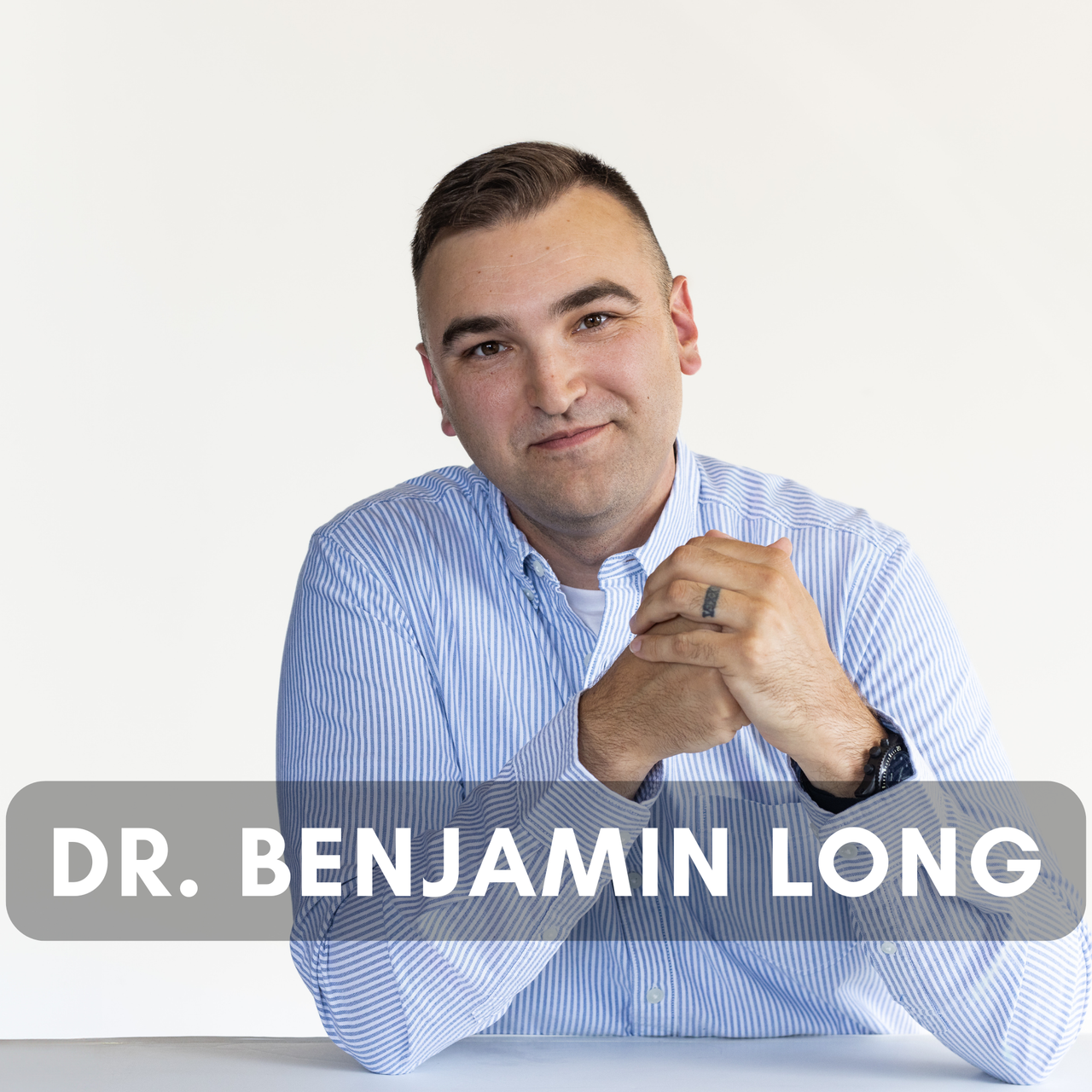
For those interested in deepening their understanding of sleep habits, faith-based practices, and personalized support, Dr. Benjamin Long offers valuable resources through his work.
Learn more and explore the Sleep Habits Journal here:
👉 https://thewholeheartedmd.com/sleep-habits-journal/
His website also features a Nighttime Thinker Quiz, designed to help individuals identify their sleep archetype and discover tailored practices to support better rest.
Final Reflection: Rest as a Sacred Practice
Sleep is not a luxury—it is a sacred necessity. Through the integration of science, spirituality, and compassionate care, Dr. Benjamin Long reminds us that rest is an act of trust. When we release control, honor our limits, and invite God into our sleepless moments, healing begins.
Whether you are navigating chronic insomnia, seasonal sleep disruption, or a busy mind that won’t quiet down, know this: rest is possible, and you do not have to journey toward it alone.
Keywords
sleep and faith integration, Christian sleep habits, insomnia and spirituality, holistic sleep health, sleep medicine and faith, bedtime anxiety solutions, nervous system regulation sleep, sleep hygiene practices, faith-based insomnia support, spiritual rest and wellness
______________________________________________
Shop for wellness products for your home and everyday life:
100% Soy Wax Candles, Wax Melts, Solid Lotion Bars, and Aromatherapy Nasal Inhalers.
https://www.daringwellshop.com/


______________________________________________
Are you looking for more inspiration for wellness tips & coping skills?
Check out The Daring Well Podcast:
Categories: : Self Care, Self-Care & Wellness, Sleep

Holistic Wellness & Mindset Coach, Licensed Professional Clinical Counselor
Hi, I'm Rita! I am so excited to support you on your wellness journey! As a Holistic Wellness & Mindset Coach, I offer a holistic approach to support growth through mindset coaching, stress management, mindfulness, coping skills, & mind and body practices. My expertise incorporates nearly a decade in the field of Mental Health & Holistic Wellness and over two decades in Business & Organizational Leadership and Human Resources. The Daring Well coaching model integrates the combined overflow of nearly a decade of certifications/trainings, education, and evidenced-based research to promote wellness in mind, body, and spirit. If you're ready to grow, shift your mindset, find clarity with your life direction and goals, while building a life you love, I am ready to lead the way. Join me on a journey to discover your true self with self-love and unapologetic confidence.
