Upcoming Webinars
There are no results found.
Overcoming Burnout & Living in Harmony With Technology
 Rita Mercer
Is technology harming your wellness? It's time for a digital detox, learn how to prevent burnout & restore balance in work, life, & wellbeing.
Lessons From a Digital Detox Coach & Endurance Athlete
Are you in control of your technology—or is it quietly controlling you?
In today’s always-on world, burnout doesn’t arrive suddenly—it creeps in quietly. Long hours, constant notifications, blurred boundaries between work and rest, and the pressure to always be available slowly erode our well-being. Many high-achieving professionals don’t realize they’re overwhelmed until their bodies force them to stop.
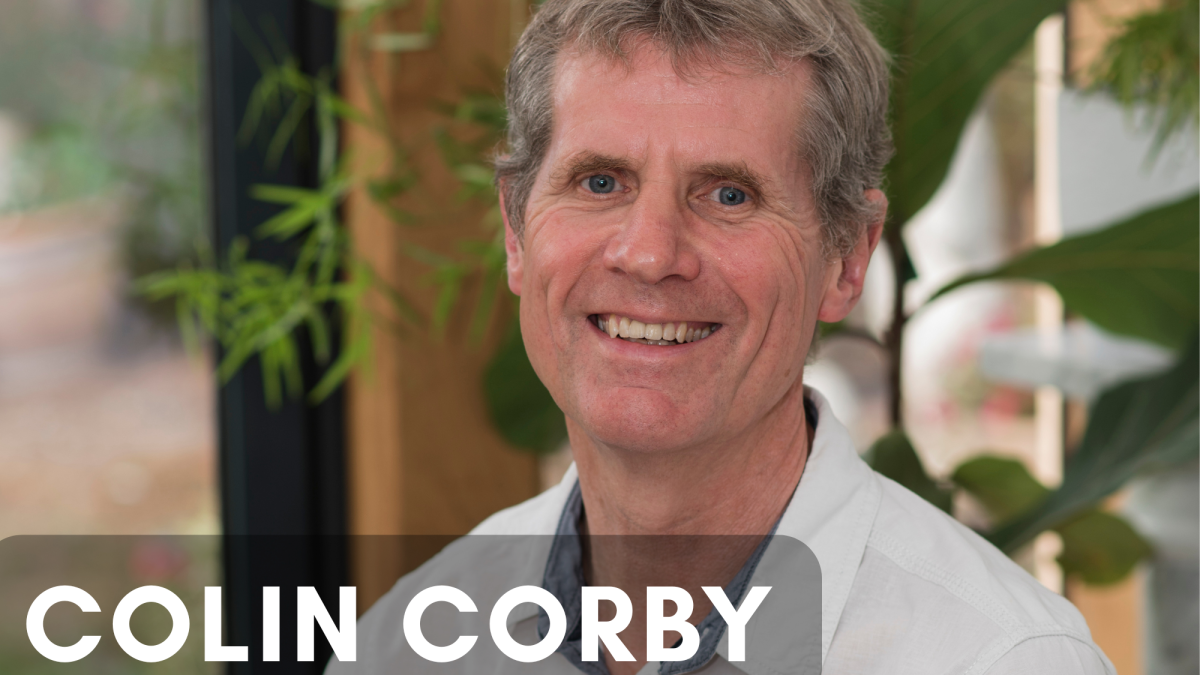
On the The Daring Well Podcast, I sat down with Colin Corby, a technologist, endurance athlete, TEDx speaker, and the creator of The Digital Detox Coach. Colin’s journey—from corporate burnout and health scares to Ironman triathlete and well-being coach—offers profound insight into how we can live in harmony with technology instead of being controlled by it.
This conversation is not about rejecting technology. It’s about redefining our relationship with it—so we can protect our energy, mental health, relationships, and sense of purpose.
From Corporate Burnout to a Tipping Point
Colin spent years thriving in the fast-paced world of technology, working on cutting-edge innovations in London. Like many professionals, he loved his job and felt deeply invested in his work. But behind the success was an unsustainable reality: long hours, chronic stress, and neglected self-care.
Over time, his body began to send warning signs. His heart rate increased. He experienced dizziness and even fainting spells. Medical tests showed nothing “wrong,” yet something clearly was.
This moment became his tipping point.
Rather than ignoring the symptoms, Colin listened to his body and made a decision that would change the course of his life: he committed to rebuilding his physical health. He returned to swimming—something he had loved as a child—and slowly rediscovered his strength, resilience, and capacity to manage stress.
Burnout often begins in the body before it’s acknowledged in the mind. Paying attention to early warning signs can prevent long-term damage.
The Mind–Body Connection We Forget Too Easily
As Colin rebuilt his fitness, he discovered something that felt obvious yet profound: the mind and body are deeply connected. As his physical resilience improved, so did his mental clarity and stress tolerance.
Training as an endurance athlete taught him how to work with stress rather than against it. In sport, stress is intentional and balanced with rest. In work culture, stress is often constant and unmanaged.
Through triathlons—and eventually completing an Ironman—Colin learned that mindset determines performance, recovery, and sustainability. This realization would later become central to his coaching philosophy.
What Do You Do When Technology Becomes the New Stressor?
Ironically, after finding balance through fitness, Colin noticed a new challenge emerge between 2010 and 2015: technology overload. Smartphones, laptops, and constant connectivity began to consume time that once supported his well-being.
Even with strong habits, he found himself struggling to prioritize movement, rest, and recovery.
This raised an important question:
If someone who understands balance can fall into this trap, how many others are struggling silently?
In 2018, Colin created The Digital Detox Coach—not to demonize technology, but to help people use it intentionally while protecting their humanity.
Redefining Digital Detox: It’s Not About Escaping Life
One of the most powerful reframes Colin offers is this:
Digital detox is not a one-time escape—it’s a daily practice.
Many people imagine a digital detox as a weekend retreat or a week unplugged in nature. While those experiences can be restorative, they don’t address the everyday patterns that lead to burnout.
Colin defines digital detox as regular, intentional periods of going offline to allow the brain and body to recover.
Examples of Daily Digital Detox Practices:
- Logging off screens at least one hour before bed
- Avoiding news and social media first thing in the morning
- Taking short offline breaks between meetings
- Stepping away from devices during meals and conversations
These small, consistent choices create powerful long-term change.
The “Business Athlete” Mindset
Rather than framing self-care as something we should do, Colin introduces a more empowering identity: the business athlete.
Athletes don’t perform at their best by pushing endlessly. They:
- Prioritize sleep
- Fuel their bodies properly
- Train with intention
- Build in recovery time
- Work with coaches and support systems
Colin encourages professionals to approach work the same way.
What It Means to Be a Business Athlete
- You prepare for important moments instead of running on adrenaline
- You respect rest as essential, not optional
- You recognize that performance requires recovery
- You train your mind and body for sustainability, not survival
This shift transforms self-care from indulgence into professional responsibility.
Why Willpower Alone Isn’t Enough
Many people blame themselves for struggling to unplug. Colin offers a compassionate truth: willpower is limited.
Research shows that nearly half of our daily behaviors are driven by unconscious habits. When our environment is designed to trigger constant engagement, relying on self-control alone is unrealistic.
What Works Better Than Willpower:
- Changing your environment (putting phones away, leaving your desk, blocking breaks on your calendar)
- Reducing triggers rather than resisting them
- Building habits gradually, with patience and grace
Colin compares habit-building to marathon training. You don’t wake up one day ready to run 26 miles—you train over time.
Preventing Burnout Before It Becomes Medical
Colin is clear and responsible in his messaging: if someone is experiencing true burnout, medical care is essential. Coaching is not a substitute for treatment.
However, for those who are not yet at that point—or who are returning to work after burnout—digital detox and lifestyle redesign can be powerful preventive tools.
Burnout often develops gradually:
- Years of inactivity
- Poor sleep habits
- Nutritional neglect
- Chronic stress without recovery
These patterns don’t feel urgent—until they are.
Rest Is Not Laziness—It’s Biological Necessity
One of the most compelling moments in our conversation was Colin’s explanation of energy. The brain is incredibly powerful but also resource-intensive. It requires:
- Oxygen
- Nutrition
- Movement
- Rest
Without these, performance suffers—even if productivity appears high on the surface.
Rest isn’t weakness. It’s how the nervous system resets, how creativity emerges, and how resilience is built.
The Hidden Benefits of Going Offline
Digital detox isn’t just about reducing stress—it enhances life in meaningful ways.
Benefits of Regular Digital Detox:
- Improved focus and creativity
- Stronger personal relationships
- Increased sense of agency and control
- Greater presence with loved ones
- More confidence and clarity
Colin also highlights a powerful insight: when we’re constantly online, we become followers. When we step away, we reclaim our role as creators—of ideas, solutions, and meaningful lives.
Reclaiming Human Connection in a Digital World
Despite being more connected than ever, we’re facing a loneliness epidemic. Digital communication cannot replace real human presence.
Colin reminds us that we are social beings by design. Eye contact, shared experiences, and attentive listening reduce stress and deepen connection in ways no screen can replicate.
Digital detox helps us return to what truly nourishes us: authentic connection.
Final Reflection: Living Well in a Tech-Driven World
Digital detox is not about rejecting modern life. It’s about choosing balance.
When we adopt the mindset of an athlete—honoring rest, training intentionally, and respecting our limits—we don’t just survive work and life. We thrive within them.
As Colin says, when someone questions why you’re taking a break, you can confidently respond:
“I’m a business athlete. This is how I perform at my best.”
Connect With Colin Corby
- Website: https://thedigitaldetoxcoach.c...
- Platforms: LinkedIn, Substack
- TEDx Talk: Are We Losing Our Identity to Technology?
Keywords
digital detox, burnout recovery, work-life balance, mindset coaching, business athlete, nervous system regulation, technology and wellness, preventing burnout, holistic self-care, mental resilience


Are you looking for more inspiration for wellness tips & coping skills?
Check out The Daring Well Podcast:
Categories: : Balance, Burnout, Detox, Self-Care & Wellness, Technology

Holistic Wellness & Mindset Coach, Licensed Professional Clinical Counselor
Hi, I'm Rita! I am so excited to support you on your wellness journey! As a Holistic Wellness & Mindset Coach, I offer a holistic approach to support growth through mindset coaching, stress management, mindfulness, coping skills, & mind and body practices. My expertise incorporates nearly a decade in the field of Mental Health & Holistic Wellness and over two decades in Business & Organizational Leadership and Human Resources. The Daring Well coaching model integrates the combined overflow of nearly a decade of certifications/trainings, education, and evidenced-based research to promote wellness in mind, body, and spirit. If you're ready to grow, shift your mindset, find clarity with your life direction and goals, while building a life you love, I am ready to lead the way. Join me on a journey to discover your true self with self-love and unapologetic confidence.
